
Robot Production and AI Fashion Shows:
Are We Automating the Soul Out of Fashion
Fashion has always embraced change. New machinery, new materials, digital design software, ecommerce, and social media have all transformed how clothing is created and sold. But the industry's growing fascination with artificial intelligence and robotics raises a different question: At what point does efficiency begin taking something valuable away from fashion?
Robot-assisted production and AI-generated fashion shows may sound futuristic, but faster and cheaper does not automatically mean better.
What Happens When Robots Make the Clothes?
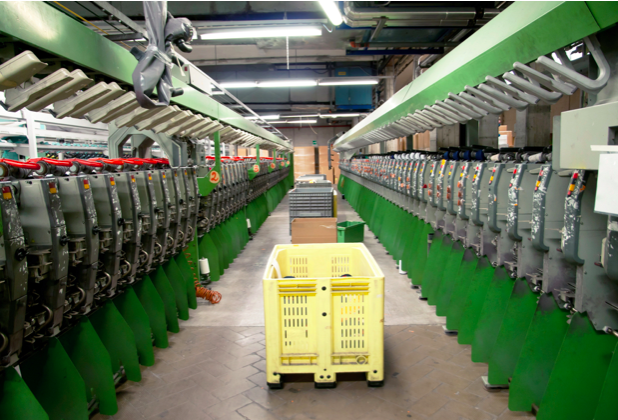
Automation has existed in apparel manufacturing for decades, but increasingly sophisticated robotics and AI could push factories toward completing more tasks with less human involvement.
From a business perspective, the appeal is obvious. Automation may increase consistency, accelerate certain production processes, and reduce some labor expenses. For an industry constantly pressured to produce more merchandise at lower prices, those advantages can be tempting.
But fashion isn't simply an assembly problem. Garment construction involves fabric that stretches, drapes, shifts, and responds differently depending on the material. Skilled sewing operators and production professionals bring knowledge that comes from years of experience. When the industry's primary objective becomes eliminating human labor, we risk undervaluing the people who actually understand how clothing is made.
There is also a broader economic question. What happens to garment workers when manufacturers increasingly automate the jobs that have supported families and communities for generations?
Does an AI Fashion Show Still Feel Like Fashion?
AI fashion shows present another concern. A traditional runway show brings together designers, patternmakers, sample makers, stylists, models, photographers, makeup artists, production crews, and countless other creative professionals. It is a physical presentation of months of work.
Now imagine replacing much of that process with AI-generated models wearing digitally generated clothing in an entirely artificial environment.
The images might look impressive. They might even look realistic. But what exactly are we looking at? A digital garment does not need to fit an actual body. It doesn't have to move correctly, survive laundering, maintain its shape, or even be physically possible to manufacture. An AI model doesn't tell us whether real customers will feel comfortable wearing the product. Fashion imagery could become increasingly disconnected from fashion itself.
Independent Designers Should Be Especially Cautious
For emerging designers, AI can appear to offer an inexpensive shortcut. Why pay for samples, models, photographers, or elaborate presentations when software can create something polished in minutes?
Because customers eventually receive a real garment. Building a sustainable fashion business requires understanding fit, construction, textiles, costing, manufacturing, merchandising, and customers. Beautiful computer-generated imagery cannot compensate for a poorly constructed product or an unrealistic production plan.
Independent designers should also consider what makes their businesses distinctive. If everyone has access to similar AI tools capable of producing thousands of concepts instantly, generating more images is unlikely to become a meaningful competitive advantage.
Fashion Still Needs People
Technology can certainly have a useful role in fashion. The problem begins when the industry treats human involvement as an inefficiency that needs to be removed.
Clothing is personal. Someone imagines it, someone develops it, someone makes it, and eventually someone wears it.
Robots may make production faster, and AI may create spectacular virtual runways. But fashion entrepreneurs should think carefully before assuming that automation represents progress simply because it is new.
The future of fashion shouldn't be measured by how many people we can remove from the process. It should be measured by whether we can build better products, healthier businesses, and an industry where creativity and craftsmanship still have genuine value.
–
Written by the staff writing team at HappyWriters.co
How is AI Impacting the Clothing Industry?
Artificial intelligence is becoming increasingly difficult to ignore in the clothing industry. From predicting what shoppers might want next season to helping designers visualize new products, AI is finding its way into nearly every stage of the fashion business.
For fashion entrepreneurs, the important question isn't whether AI will influence the industry. It's how businesses can use these tools effectively while still relying on the creativity, experience, and judgment that fashion requires.
AI Is Changing the Design Process
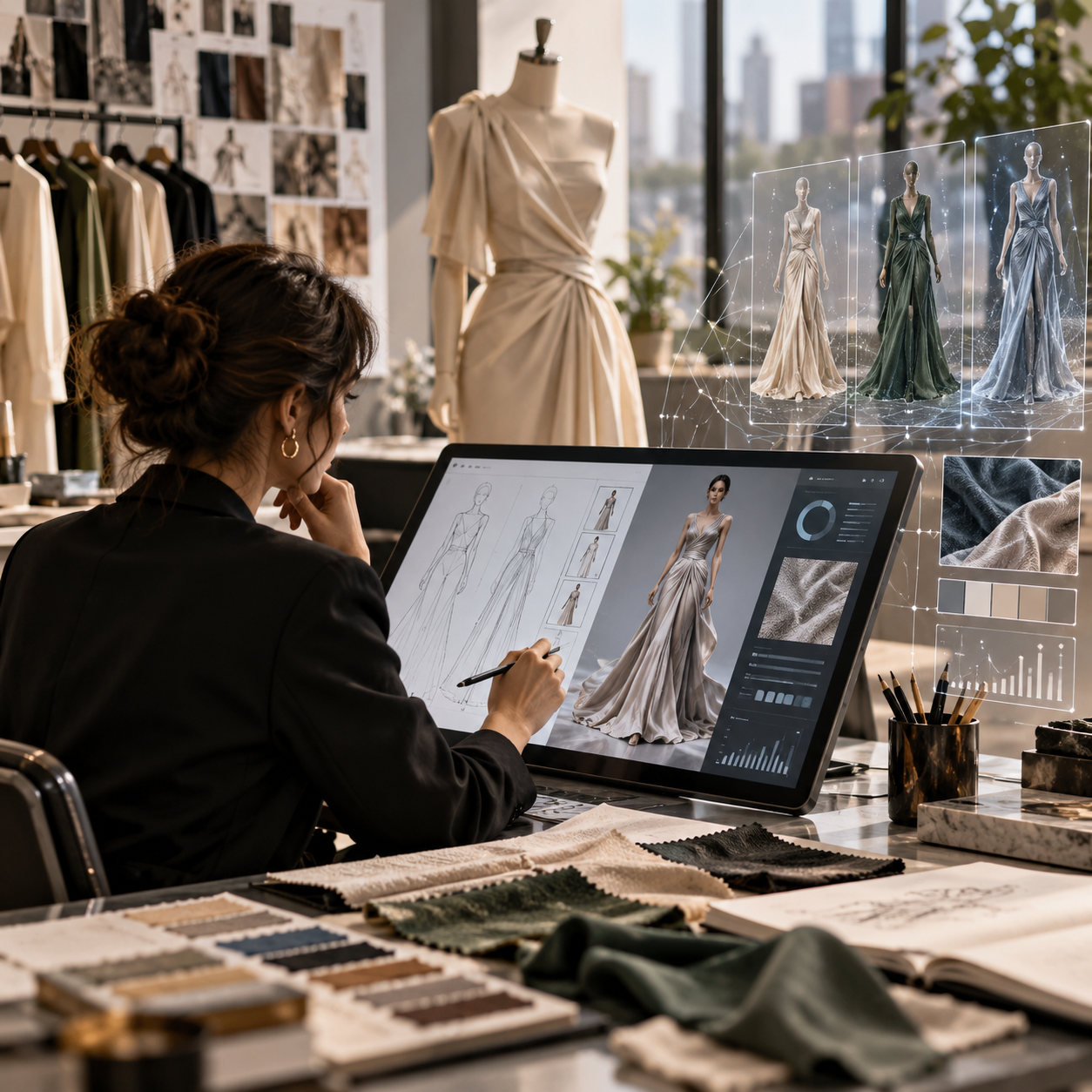
Design has traditionally involved sketching, developing concepts, creating samples, and making repeated adjustments before a garment reaches production. AI powered tools can now assist with some of those early steps.
Designers can experiment with silhouettes, color combinations, prints, and other concepts digitally before committing resources to physical samples. Generative AI can also help create mood boards and early visualizations that make it easier to communicate an idea.
That doesn't mean AI replaces the designer. A computer can generate hundreds of images, but someone still needs to understand the customer, recognize good design, select appropriate materials, and determine whether a garment can actually be manufactured at the desired quality and price.
Better Forecasting Could Mean Smarter Inventory
One of fashion's biggest business challenges is determining how much merchandise to produce.
Producing too much can leave a company with excess inventory and markdowns. Producing too little can mean missed sales. AI can analyze historical sales, customer behavior, search activity, and other data to help companies identify patterns and forecast demand.
For smaller brands, better forecasting could be particularly valuable because every production decision affects cash flow. AI cannot guarantee that a particular style will sell, but it can give business owners additional information when making purchasing and production decisions.
Marketing Is Becoming More Personalized
AI is also changing how fashion companies communicate with customers.
Online retailers can use technology to recommend products based on browsing and purchasing behavior. Brands can analyze customer information to create more targeted email campaigns, advertisements, and product recommendations.
Generative AI can assist with product descriptions, social media ideas, and early marketing drafts. However, fashion businesses should be careful about allowing automation to make their messaging generic. A recognizable point of view and consistent brand identity still matter in a crowded marketplace.
AI Could Improve Production Efficiency
The impact extends beyond design and marketing. Manufacturers and fashion businesses can use AI assisted systems to analyze workflows, identify potential quality problems, improve scheduling, and make supply chain decisions.
Technology may also help companies use materials more efficiently. Reducing unnecessary samples, improving demand forecasting, and producing closer to actual customer demand can potentially reduce both costs and waste.
These advantages are especially relevant in an industry where profitability depends on carefully understanding expenses. Fabric, trims, labor, development, shipping, overhead, and other costs all contribute to the final price of a garment. Similar AI tools are also being adopted in adjacent design industries such as furniture, where they can assist with concept development, demand forecasting, material planning, and production decisions.
AI Is a Tool, Not a Fashion Business Strategy
AI offers exciting possibilities, but fashion entrepreneurs shouldn't confuse having new technology with having a strong business.
Successful clothing companies still need a clearly defined customer, realistic costing, reliable manufacturing, quality products, thoughtful marketing, and a reason for shoppers to choose their brand. Fashion for Profit emphasizes these fundamentals throughout its consulting and educational approach.
The brands that benefit most from AI may ultimately be those that use it to support better decisions rather than allowing it to make every decision. Creativity, industry knowledge, relationships, and sound business judgment remain essential. AI simply gives today's fashion entrepreneur another increasingly powerful tool to work with.
–
Written by the staff writing team at HappyWriters.co

WORK WITH FRANCES
Turn Experience Into Your Competitive Advantage
With more than 40 years of industry experience, Frances Harder helps entrepreneurs, brands, and organizations navigate the complexities of the fashion business through consulting, education, and strategic guidance.